If you were injured in a car accident in Sioux Falls or anywhere in South Dakota, Northern Plains Justice helps victims recover compensation for medical bills, lost wages, pain and suffering, and other crash-related losses. Our attorneys investigate serious collisions, negotiate with insurance companies, and fight for the maximum financial recovery available under South Dakota law.
Every collision has its own cause, evidence, insurance issues, and injury consequences. Our firm handles a wide range of passenger-vehicle claims throughout Sioux Falls and South Dakota.
Rear-end crashes commonly occur at intersections, stoplights, construction zones, and in congested traffic. They may cause whiplash, back injuries, spinal trauma, headaches, and chronic pain.
Side-impact crashes often occur when a driver runs a red light, ignores a stop sign, makes an unsafe turn, or fails to yield at an intersection.
Head-on crashes are among the most dangerous collisions and frequently cause brain injuries, spinal damage, internal injuries, fractures, or wrongful death.
A driver who leaves the scene can make identifying insurance coverage and recovering compensation more difficult. Police reports, witnesses, camera footage, vehicle debris, and uninsured-motorist coverage may become important.
When an at-fault driver has no insurance or insufficient coverage, the injured person may need to pursue uninsured or underinsured motorist benefits through another available policy.
Uber and Lyft claims may involve the rideshare driver’s personal insurance, commercial coverage, the driver’s app status, and other motorists involved in the collision.
Rollover crashes may occur after high-speed impacts, abrupt steering, tire failures, roadway departures, or loss of control on snow and ice.
Chain-reaction crashes may involve several drivers, disputed impact sequences, multiple insurance companies, and competing allegations of fault.
Taking immediate action after a car accident can strengthen your claim and ensure you receive the compensation you deserve.
Call 911 and Seek Medical Attention: Your health comes first. Even if injuries seem minor, medical records are critical for your claim.
Report the Accident: A police report serves as vital evidence when negotiating with insurance companies.
Gather Evidence: Take photos of the scene, vehicle damage, and visible injuries. Collect witness information.
Avoid Admitting Fault: South Dakota follows a comparative negligence rule—admitting fault could reduce your compensation.
Contact Northern Plains Justice: Insurance companies prioritize profits over your well-being. Our experienced legal team fights for the compensation you deserve.
Understanding who bears responsibility is crucial after a car accident, and determining that liability, including negligent drivers, vehicle manufacturers, and government entities, is the first step, as we'll explore in the following section:
Speeding, distracted driving, and reckless behavior make other drivers responsible for your injuries.
Defective brakes, airbags, or tires could mean a product liability claim against the manufacturer.
Poorly maintained roads or lack of signage can make the city, county, or state liable for your crash.
Car accident victims in Sioux Falls may be entitled to significant compensation, including:
Medical Expenses: Covers hospital bills, physical therapy, and future treatments.
Lost Wages: If your injuries prevent you from working, you can recover lost income and future earnings.
Pain and Suffering: Compensation for physical pain, emotional distress, and trauma.
Property Damage: Covers repair or replacement of your vehicle.
Wrongful Death: Families of fatal accident victims can seek funeral costs and loss of companionship.
We collect police reports, witness statements, medical records, and accident reconstruction evidence to build a solid case.
We handle all communication with insurance companies to secure a full and fair settlement.
If necessary, our skilled trial attorneys are prepared to take your case to court and fight for maximum compensation.
After a South Dakota car accident, navigating the complexities of insurance claims and legal procedures can be overwhelming, which is why you need a dedicated advocate – here's why Northern Plains Justice stands out as the firm to champion your case.
Our team understands Sioux Falls roads, rural highways, and the challenges unique to South Dakota accidents. We act fast to preserve evidence and protect your claim.
We have successfully secured millions for accident victims across South Dakota.
We provide one-on-one consultations, regular updates, and aggressive representation tailored to your case.
If you or a loved one suffered injuries in a car accident, don't face the insurance companies alone. Call Northern Plains Justice today for a free consultation. We'll review your case and help you take the next steps toward securing the compensation you deserve.
Location: Sioux Falls, SD
Address: 4301 W 57th St Unit 121, Sioux Falls, SD 57108
Phone: 605-306-4100
Most recent verifiable statistics in Sioux Falls, South Dakota include:
These answers address immediate steps, fault, insurance claims, delayed injuries, compensation, and evidence after a South Dakota car accident.
Call 911, seek medical attention, photograph the scene and vehicles, exchange information, obtain witness names, report the collision to your insurer, and avoid recorded statements or quick settlements before understanding your rights.
Fault may be evaluated using traffic laws, police reports, witness statements, photographs, video, vehicle damage, electronic data, roadway evidence, and accident-reconstruction analysis.
Some concussions, neck injuries, back injuries, and soft-tissue conditions may become noticeable hours or days later. Seek medical attention promptly and explain when the symptoms began.
You may be able to pursue uninsured or underinsured motorist benefits through an applicable insurance policy. Coverage depends on the policy terms and circumstances of the collision.
A first offer may be made before the full medical outlook, future treatment, lost income, or permanent limitations are known. A settlement generally ends the claim, so its full consequences should be understood first.
A negligent driver may still be responsible when a collision aggravates or worsens an existing condition. Medical records and expert opinions may help distinguish the prior condition from the new harm.
Compensation may include medical expenses, future care, rehabilitation, lost wages, reduced earning capacity, pain and suffering, emotional distress, disability, vehicle damage, and wrongful death losses when applicable.
A lawyer can investigate the collision, preserve evidence, determine fault, identify insurance coverage, respond to adjuster defenses, document damages, negotiate a settlement, and pursue litigation when necessary.
Helpful legal information for injured people and families across South Dakota.



Written by our attorneys — practical knowledge to help you understand your rights
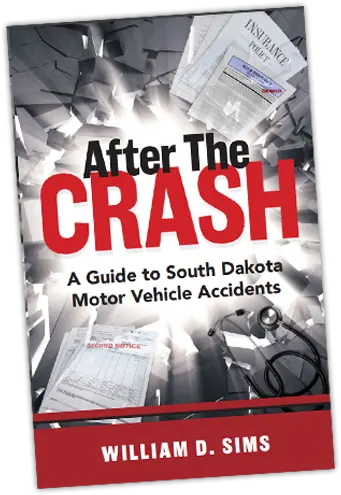
A step-by-step guide to navigating a South Dakota car accident — from the scene to settlement. Written by attorney Bill Sims, this book tells you what insurance companies don't want you to know.
🔒 We'll send a copy to your inbox too.

Everything you need to know about South Dakota Will Contests — from red flags of undue influence to how to find the right attorney. Written by attorney Jeff Cole with decades of trial experience.
🔒 We'll send a copy to your inbox too.
Free Consultation
Northern Plains Justice, LLP helps injury victims and families after serious accidents. Send a confidential message and our team will review your information.