If you were injured in a commercial truck accident in Sioux Falls or anywhere in South Dakota, Northern Plains Justice represents victims involved in semi-truck, 18-wheeler, and tractor-trailer crashes. We investigate trucking companies, preserve critical evidence, determine liability, and pursue full compensation for catastrophic injuries and wrongful death claims.
A collision with a semi-truck, tractor-trailer, delivery truck, tanker, or other commercial vehicle can cause catastrophic injuries and overwhelming financial losses. Truck accident victims may face emergency treatment, surgery, rehabilitation, lost income, permanent limitations, and aggressive insurance companies working to reduce their responsibility.
Northern Plains Justice, LLP represents people injured in truck accidents throughout Sioux Falls and across South Dakota. Our attorneys investigate truck drivers, motor carriers, maintenance companies, cargo loaders, vehicle owners, manufacturers, and other parties whose negligence may have contributed to the crash.
These cases require immediate action. Commercial vehicles may contain electronic logging information, event-data recorder records, GPS history, dash-camera footage, inspection reports, maintenance files, and cargo documents that must be preserved before they are altered or destroyed.
Truck accident cases are not simply larger versions of ordinary car accident claims. Commercial transportation involves companies, contractors, federal safety requirements, substantial insurance coverage, specialized records, and multiple parties that may attempt to shift blame.
Responsibility may extend beyond the driver to the trucking company, truck owner, cargo loader, maintenance contractor, shipper, broker, leasing company, or parts manufacturer.
Review the potential defendants in South Dakota commercial truck accidents.
Several insurance carriers may become involved, each protecting a different driver, company, vehicle, contractor, or layer of coverage.
Learn how truck accident lawyers deal with commercial insurance companies.
Truck drivers and motor carriers must comply with rules governing driving time, inspections, maintenance, driver qualifications, drug testing, cargo securement, and recordkeeping.
Critical evidence may be held by the motor carrier, including electronic logs, dispatch communications, maintenance files, driver records, inspection reports, GPS data, and onboard electronic information.
Our guide to understanding liability in a South Dakota truck accident explains why identifying every responsible party is essential.
The party whose name appears on the truck is not always the only responsible business. A thorough investigation may reveal negligence by several companies or individuals.
Read more about how claims involving multiple liable parties work and recovering damages from more than one defendant.
Serious trucking crashes frequently result from a combination of driver negligence, unsafe company practices, equipment failure, cargo problems, and dangerous road conditions.
Long routes, overnight driving, delivery pressure, and unrealistic schedules can leave drivers too tired to react safely. Electronic logging data and dispatch records may show whether driving-time requirements were violated.
Phones, navigation systems, dispatch devices, food, paperwork, and other distractions can delay braking, cause missed traffic signals, and lead to devastating rear-end or multi-vehicle crashes.
Some medications can cause drowsiness, slowed reactions, impaired judgment, or other effects that make operating a commercial vehicle unsafe.
Large trucks require substantially more time and distance to stop. Speeding, tailgating, unsafe passing, and driving too fast for weather or traffic conditions increase both crash risk and injury severity.
Learn why speeding truck crashes may involve multiple defendants.
Brake failures, tire blowouts, steering defects, lighting failures, and worn components may result from inadequate inspections or negligent repair work.
Read about compensation after a maintenance-related truck crash.
Overloaded, unsecured, or unbalanced cargo can shift during transit, change the truck’s center of gravity, spill into traffic, or contribute to a rollover or jackknife accident.
Snow, ice, high winds, fog, and freezing rain require truck drivers to reduce speed and increase following distance. Commercial vehicles can become especially difficult to control during South Dakota winters.
Delivery vans and box trucks may be involved in crashes caused by hurried schedules, frequent stops, unsafe backing, driver distraction, inadequate training, poor maintenance, or improperly secured packages.
A jackknife occurs when a trailer swings outward and forms an angle with the truck cab. These crashes can block several traffic lanes, strike multiple vehicles, or cause the truck to roll over. Potential causes include hard braking, excessive speed, slippery roads, equipment failure, fatigue, and shifted cargo.
Truck rollovers may result from speeding through curves, sudden steering, high winds, tire failures, improperly loaded cargo, or a driver’s failure to adjust to road conditions. A rolling commercial truck can crush nearby vehicles and spill cargo across the roadway.
An underride accident occurs when a passenger vehicle slides beneath the rear or side of a tractor-trailer. These crashes frequently cause fatal or catastrophic head, neck, spinal, and crush injuries.
Heavy commercial vehicles require significant stopping distance. A fatigued, distracted, speeding, or tailgating truck driver may be unable to stop when traffic slows, causing a rear-end crash or multi-vehicle pileup.
Delivery operations may place inexperienced or hurried drivers in congested neighborhoods, parking lots, business districts, and residential areas. Tight schedules and frequent backing or stopping can increase collision risks.
Trucking evidence can establish how the crash happened, whether safety rules were violated, and which companies are responsible. Because some records may be overwritten or discarded, early preservation is critical.
The hours and days after a commercial truck collision can affect both your health and your ability to prove a claim.
Report the collision and obtain treatment promptly. Some brain, spinal, internal, and soft-tissue injuries may not be immediately apparent.
Document the truck, trailer, company markings, license plates, vehicle damage, road conditions, skid marks, debris, cargo, and visible injuries when it is safe to do so.
Record the carrier name, USDOT number, truck number, trailer number, driver information, insurance details, and any other company names visible at the scene.
Obtain names and contact information from people who saw the collision, the truck’s movements, or the driver’s behavior before impact.
Commercial insurance adjusters may contact you quickly. Avoid speculating about fault, minimizing injuries, or agreeing to a recorded statement before understanding your rights.
Do not allow a severely damaged vehicle to be destroyed before it can be inspected. Keep photographs, medical documents, receipts, correspondence, and other crash-related records.
For more guidance, read what to do after a South Dakota truck accident and our detailed guide for protecting your rights after a commercial truck crash.
The size and weight of commercial trucks can produce severe forces that cause life-changing injuries.
Read more about common injuries sustained in South Dakota truck accidents and the long-term medical care that may be required after a serious crash.
A truck accident claim should account for both current losses and the long-term effect of the injuries. Accepting a settlement before the medical outlook is understood can leave a victim responsible for future expenses.
Compensation may include:
Claims involving more than one negligent company may provide access to several insurance policies. Learn more about recovering damages from multiple truck-accident defendants.
Northern Plains Justice, LLP investigates the driver, motor carrier, vehicle, cargo, maintenance history, corporate safety practices, and insurance coverage connected to the crash.
Our legal team may:
These Northern Plains Justice guides provide more detailed information about causes, liability, evidence, injuries, insurance disputes, and specific types of truck crashes:
Steps to protect your health, preserve evidence, document the commercial vehicle, and avoid common insurance mistakes.
How driver negligence, motor-carrier practices, maintenance, cargo loading, and other factors affect responsibility.
Why commercial truck claims may involve several businesses, defendants, and insurance policies.
Information about brain injuries, spinal damage, fractures, burns, amputations, internal injuries, and long-term disability.
How braking, slippery roads, equipment failure, speed, and shifting cargo can cause a trailer to swing into traffic.
Liability and injury issues involving overturning tractor-trailers, unsafe speed, cargo imbalance, and equipment failures.
Serious collisions in which a smaller vehicle becomes trapped beneath the rear or side of a commercial trailer.
Claims involving negligent inspections, faulty repairs, brake failures, tire problems, and unsafe commercial vehicles.
How phone use, navigation devices, delayed reactions, and inattentive driving can cause severe collisions.
Crash risks involving hurried schedules, unsafe backing, driver inexperience, distraction, poor maintenance, and unsecured cargo.
If you or a loved one was injured in a semi-truck, 18-wheeler, delivery truck, or other commercial vehicle accident, Northern Plains Justice, LLP can investigate the crash, preserve critical evidence, identify responsible companies, and pursue compensation from the available insurance coverage.
Call (605) 306-4100 or use our contact page to request a free consultation. You pay no attorney fee unless compensation is recovered for you.
Truck accident cases may involve commercial carriers, federal safety requirements, electronic records, corporate insurers, severe injuries, and multiple responsible parties.
Call 911, seek medical treatment, photograph the vehicles and scene, identify the truck and carrier, obtain witness information, preserve your damaged vehicle, and avoid recorded insurance statements before understanding your rights.
Depending on the cause, responsible parties may include the driver, motor carrier, truck owner, maintenance contractor, cargo loader, shipper, leasing company, broker, manufacturer, or another negligent driver.
A commercial vehicle may contain electronic systems that record information such as speed, braking, engine activity, or other operating data. The available information depends on the truck and its equipment and should be preserved promptly.
Important evidence may include driver logs, electronic logging data, GPS history, onboard video, inspection reports, maintenance files, driver qualification records, dispatch communications, cargo documents, police reports, photographs, and witness statements.
Yes. A motor carrier may be responsible for the conduct of its driver and may also be independently negligent for unsafe hiring, training, supervision, scheduling, maintenance, inspection, or safety practices.
Commercial carriers and insurers may send investigators to protect evidence, evaluate exposure, and reduce potential liability. Injured victims should also act quickly to preserve electronic records, vehicles, video, and company documents.
Compensation may include medical expenses, future treatment, rehabilitation, lost wages, reduced earning capacity, pain and suffering, emotional distress, disability, property damage, and wrongful death losses when applicable.
A lawyer can preserve evidence, investigate the driver and carrier, identify all responsible companies, obtain commercial trucking records, respond to insurance defenses, calculate long-term damages, negotiate claims, and pursue litigation when necessary.
Helpful legal information for injured people and families across South Dakota.



Written by our attorneys — practical knowledge to help you understand your rights
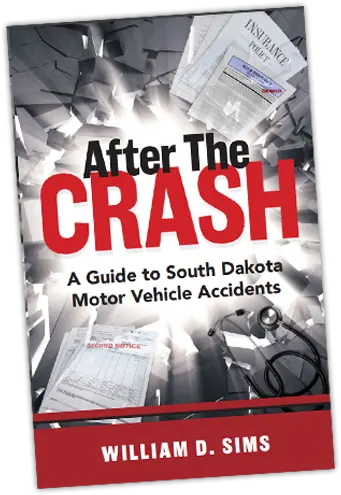
A step-by-step guide to navigating a South Dakota car accident — from the scene to settlement. Written by attorney Bill Sims, this book tells you what insurance companies don't want you to know.
🔒 We'll send a copy to your inbox too.
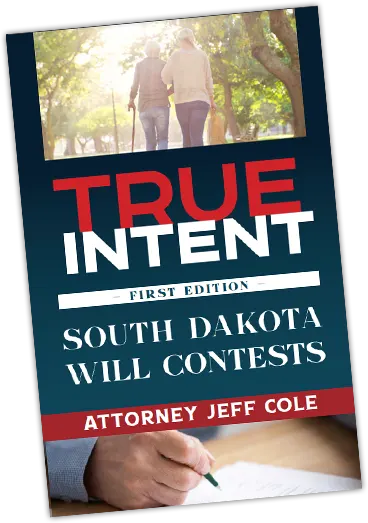
Everything you need to know about South Dakota Will Contests — from red flags of undue influence to how to find the right attorney. Written by attorney Jeff Cole with decades of trial experience.
🔒 We'll send a copy to your inbox too.
Free Consultation
Northern Plains Justice, LLP helps injury victims and families after serious accidents. Send a confidential message and our team will review your information.