If you ride a motorcycle in South Dakota, understanding the state's traffic laws is not just a matter of following the rules — it can be the difference between a safe ride and a devastating crash. One question that comes up frequently among riders in the Sioux Falls area is whether lane splitting is legal. Lane splitting, the practice of riding a motorcycle between lanes of slow-moving or stopped traffic, is a topic that generates considerable debate nationwide, and the law varies significantly from state to state.
South Dakota riders need to be clear on where the state stands, especially given how quickly a misunderstanding of traffic law can turn into a serious liability dispute after an accident. Whether you commute through Sioux Falls daily or ride recreationally across the region, knowing the legal boundaries protects you on the road and in court. According to Sioux Falls motorcycle accident statistics, riders in our area face real and serious risks every time they take to the road — and those risks are amplified when traffic law is misunderstood or ignored.
At Northern Plains Justice, LLP, we represent injured motorcyclists throughout South Dakota. This article is designed to give riders an honest, thorough look at lane splitting laws in the state, what those laws mean for liability after a crash, and what steps to take if you are ever involved in a motorcycle accident.
Is Lane Splitting Legal in South Dakota?
The short answer is no — lane splitting is not legal in South Dakota. South Dakota law requires all vehicles, including motorcycles, to remain within a single lane and prohibits moving from one lane to another unless it can be done safely and after signaling. There is no statutory provision that authorizes lane splitting or lane filtering for motorcyclists anywhere in the state.
It is worth distinguishing between lane splitting and lane filtering, two terms that are sometimes used interchangeably but carry different meanings. Lane splitting refers to riding between lanes of moving traffic, while lane filtering typically refers to moving past stopped vehicles at a red light. Neither practice is currently authorized under South Dakota traffic law. California remains the only U.S. state that has formally legalized lane splitting, though a growing number of states have begun exploring lane filtering legislation. South Dakota has not enacted such legislation as of this writing.
What the Law Actually Says
South Dakota Codified Laws address lane usage for all vehicles. Motorcycles are entitled to the full use of a lane, and no motor vehicle may be operated in a manner that deprives a motorcycle of that full lane. However, this same framework means that motorcycles must stay within their designated lane just like any other vehicle. Riding between lanes or passing vehicles within the same lane is not a recognized or protected maneuver under South Dakota law.
How Lane Splitting Affects Fault and Liability After a Crash
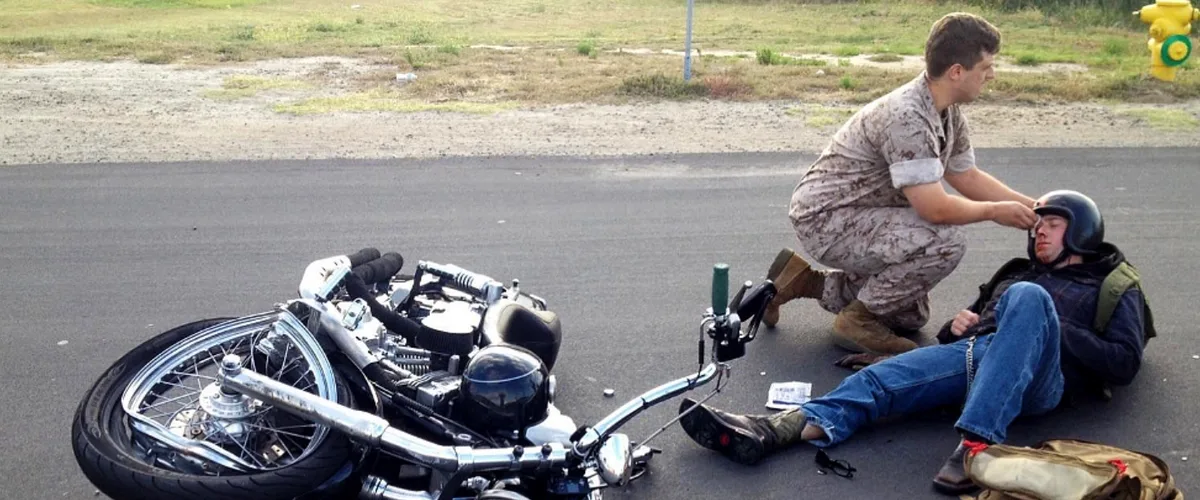
If a motorcyclist is involved in an accident while lane splitting in South Dakota, the legal consequences can be severe. Because lane splitting itself is an unlawful maneuver in this state, a rider engaging in it at the time of a crash may be found partially or fully at fault — even if another driver's negligence also contributed to the collision. Understanding who is at fault in a South Dakota motorcycle accident is often more complex than it appears, and any traffic violation on the rider's part can significantly reduce or eliminate their ability to recover compensation.
South Dakota follows a “slight” negligence rule. You can recover damages only if your own negligence was slight compared to the other party's, and any recovery is reduced in proportion to your share of fault. If a jury finds a rider's fault was more than slight, recovery may be barred entirely. Insurance adjusters and opposing attorneys will aggressively use any evidence of unlawful riding behavior to minimize the compensation owed to an injured rider. This is precisely why understanding the factors that impact personal injury claims in South Dakota matters so much from the very start of your case.
Common Motorcycle Accident Scenarios in Sioux Falls
Even when riders are operating entirely within the law, accidents happen due to the negligence of other drivers. Some of the most common situations our clients face include:
- A driver pulling out from a side street or driveway without yielding — if this has happened to you, learn more about what to do when a driver pulled out in front of your motorcycle in South Dakota
- Dooring accidents, where a car door is opened into the path of an oncoming motorcycle — these incidents are covered in detail in our guide to South Dakota motorcycle dooring accidents
- Rear-end collisions at intersections and traffic stops
- Unsafe lane changes by distracted or inattentive drivers
- Crashes near high-risk locations throughout Sioux Falls — riders should review our resource on the most dangerous intersections for motorcyclists in Sioux Falls to better understand where extra caution is warranted
What to Do After a Motorcycle Accident in South Dakota
The actions you take in the immediate aftermath of a motorcycle accident can have a lasting impact on your ability to recover full and fair compensation. Whether you were involved in a collision with a passenger vehicle, a commercial truck, or another motorcycle, the steps are largely the same. Our team also encourages anyone involved in any type of roadway crash to review our guide on what to do after a car accident in South Dakota for additional guidance that applies broadly to all vehicle collisions.
Here is what injured victims should do following a motorcycle accident:
- Seek medical attention immediately — even if you believe your injuries are minor, some serious conditions are not immediately apparent
- Call law enforcement — a police report documents the facts of the crash and is critical evidence in any legal claim
- Photograph the scene — capture damage to vehicles, road conditions, skid marks, and any visible injuries
- Gather witness information — names and contact details of anyone who saw the crash can be invaluable
- Do not admit fault — even an offhand apology can be used against you later
- Contact an experienced motorcycle accident attorney before speaking with insurance adjusters
If the crash involved a large commercial vehicle, the legal complexity increases substantially. Our firm also handles cases arising from South Dakota truck accidents, where federal regulations and multiple liable parties can complicate the path to compensation.
Get Answers From an Experienced South Dakota Lawyer Today
Dealing With Insurance After a Motorcycle Accident
Insurance companies are not on your side, and this is especially true in motorcycle accident cases where insurers may attempt to use the rider's lane position, speed, or any perceived traffic violation to deflect liability. Understanding how insurance companies in South Dakota handle denial and delay is essential knowledge for any injured rider trying to navigate the claims process. In more egregious cases, an insurer's refusal to act in good faith may rise to the level of an insurance bad faith claim in South Dakota, which carries its own legal remedies.
A serious motorcycle crash can also affect your ability to work, your career trajectory, and your long-term financial stability. Our firm is familiar with the challenges that injured victims face in rebuilding their lives, and we encourage you to learn about recovering vocationally after a serious injury in South Dakota as part of your overall recovery plan. For those navigating other types of accidents as well, resources like our guide on what to do after a slip and fall injury in South Dakota reflect our firm's broader commitment to helping injured victims across a range of practice areas.
Frequently Asked Questions
Understanding this aspect of your case is essential to protecting your rights and maximizing your compensation.
Is lane splitting ever legal in South Dakota?
No. As of this writing, lane splitting and lane filtering are both prohibited under South Dakota traffic law. Motorcyclists must remain within a single lane and are not permitted to pass other vehicles within the same lane of travel. Riders should monitor any future legislative changes, but currently no exception exists.
Can I still recover compensation if I was lane splitting when the accident occurred?
It depends on the specific facts of your case. Under South Dakota's “slight” negligence rule, you can recover only if your fault was slight compared to the other party's. Engaging in an unlawful maneuver like lane splitting could make it harder to meet that standard and will reduce any recovery. An experienced attorney can evaluate your circumstances and help you understand your options.
What if a driver changed lanes into me while I was riding lawfully?
If you were riding in a single lane and another driver moved into your lane without checking for traffic, that driver may bear significant liability for your injuries. Unsafe lane changes are a common cause of motorcycle accidents in the Sioux Falls area, and South Dakota law protects riders' rights to the full use of their designated lane. Documenting the scene thoroughly and contacting an attorney quickly is critical.
How long do I have to file a motorcycle accident claim in South Dakota?
South Dakota's statute of limitations for personal injury claims, including motorcycle accidents, is generally three years from the date of the injury. However, waiting too long to consult an attorney can result in lost evidence, fading witness memories, and other complications that weaken your case. It is always advisable to speak with a lawyer as soon as possible after an accident.
What types of compensation can injured motorcyclists pursue in South Dakota?
Injured victims in South Dakota motorcycle accident cases may be entitled to pursue compensation for medical expenses, lost wages, pain and suffering, property damage, future medical care, and loss of enjoyment of life. In cases involving particularly reckless or willful conduct by the at-fault party, punitive damages may also be available. The value of your claim depends on the severity of your injuries, the strength of the evidence, and several other legal factors that an attorney can help you assess.
Do I need a lawyer for a motorcycle accident claim in South Dakota?
While you are not legally required to hire an attorney, having experienced legal representation dramatically improves your chances of recovering fair compensation. Insurance companies have teams of adjusters and lawyers working to minimize payouts. An attorney who understands South Dakota motorcycle law and personal injury litigation can level the playing field, protect your rights, and handle the legal complexities while you focus on healing.
What should I do if the insurance company denies my motorcycle accident claim?
A claim denial is not the end of the road. Insurance companies sometimes deny valid claims hoping that injured victims will accept the decision and move on. If your claim has been denied, you have the right to appeal and, if necessary, pursue litigation. An attorney can review the denial, identify any bad faith conduct, and take the legal steps necessary to fight for the compensation you deserve.
Get Answers From an Experienced South Dakota Lawyer Today
Contact Northern Plains Justice, LLP After a Motorcycle Accident in Sioux Falls
If you or someone you love has been injured in a motorcycle accident in the Sioux Falls area or anywhere in South Dakota, the attorneys at Northern Plains Justice, LLP are ready to help. We understand the physical, financial, and emotional toll that a serious crash can take on injured victims and their families. Our legal team will investigate the facts, identify all liable parties, and fight aggressively to secure the full compensation you are entitled to under South Dakota law. Do not let confusion about traffic laws or pressure from insurance companies prevent you from pursuing justice — contact Northern Plains Justice, LLP today for a free consultation.
This article is provided for informational purposes only and does not constitute legal advice. Reading this content does not create an attorney-client relationship with Northern Plains Justice, LLP. Every case is different, and you should consult a qualified attorney about the specific facts of your situation.