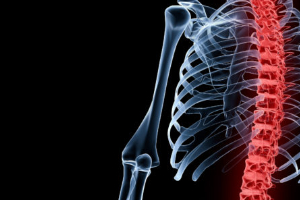
Permanent disability claims in South Dakota arise when an injury causes lasting or irreversible impairment. Unlike minor injury cases, these claims involve long-term medical needs, reduced earning capacity, and significant financial impact.
Because permanent injuries affect every aspect of life, understanding how these claims work is essential.
What Is Considered a Permanent Disability?
A permanent disability occurs when an injury results in ongoing impairment that is unlikely to improve significantly.
Common examples include:
- Spinal cord injuries
- Traumatic brain injuries
- Amputations
- Severe orthopedic damage
- Permanent nerve injuries
- Vision or hearing loss
In many cases, doctors assign an impairment rating to measure long-term loss of function.
Types of Permanent Disability Claims
Permanent disability claims in South Dakota generally fall into two categories.
Personal Injury Claims
These arise when another party’s negligence causes harm. For example, car accidents, truck crashes, or dangerous property conditions may result in permanent impairment.
Related pages:
How Compensation Is Calculated
Permanent disability compensation typically includes:
- Past and future medical expenses
- Lost wages
- Reduced earning capacity
- Pain and suffering (in personal injury cases)
- Loss of quality of life
Because these claims involve future projections, expert evaluation is often necessary.
Permanent Partial vs. Permanent Total Disability
Understanding the distinction is important.
Permanent Partial Disability (PPD)
PPD means the injured person retains some ability to work but suffers lasting impairment. Compensation reflects the degree of functional loss.
Permanent Total Disability (PTD)
PTD applies when the injury prevents the person from engaging in substantial employment. These claims often involve long-term wage replacement benefits.
Because these classifications affect benefits, accurate medical evaluation is critical.
Evidence Needed to Prove a Permanent Disability Claim
Strong documentation strengthens a claim.
Important evidence includes:
- Medical records
- Diagnostic imaging
- Physician impairment ratings
- Vocational expert reports
- Economic loss projections
Without detailed evidence, insurers may dispute severity or future limitations.
How Long Do You Have to File?
In most personal injury cases, South Dakota allows three years from the date of injury to file a lawsuit.
Workers’ compensation claims follow different deadlines. Therefore, prompt action is recommended.
Frequently Asked Questions
What qualifies as a permanent disability in South Dakota?
An injury qualifies as permanent when it results in lasting impairment that substantially affects work or daily function.
Can I recover compensation if I am partially at fault?
Possibly. Recovery is allowed if your negligence is slight compared to the other party’s negligence.
Are permanent disability claims higher in value?
Yes. Because they involve long-term financial loss and medical care, these claims are typically more substantial than minor injury cases.
How is earning capacity calculated?
Experts consider age, occupation, wage history, and career path to project long-term income loss.
Do permanent disability cases go to trial?
Some do. However, many resolve through negotiated settlement when strong evidence is presented.
Protecting Your Rights After a Permanent Injury
Permanent disability claims in South Dakota require careful evaluation and strong documentation. Because the financial stakes are high, early legal guidance can help preserve evidence and protect your rights.