
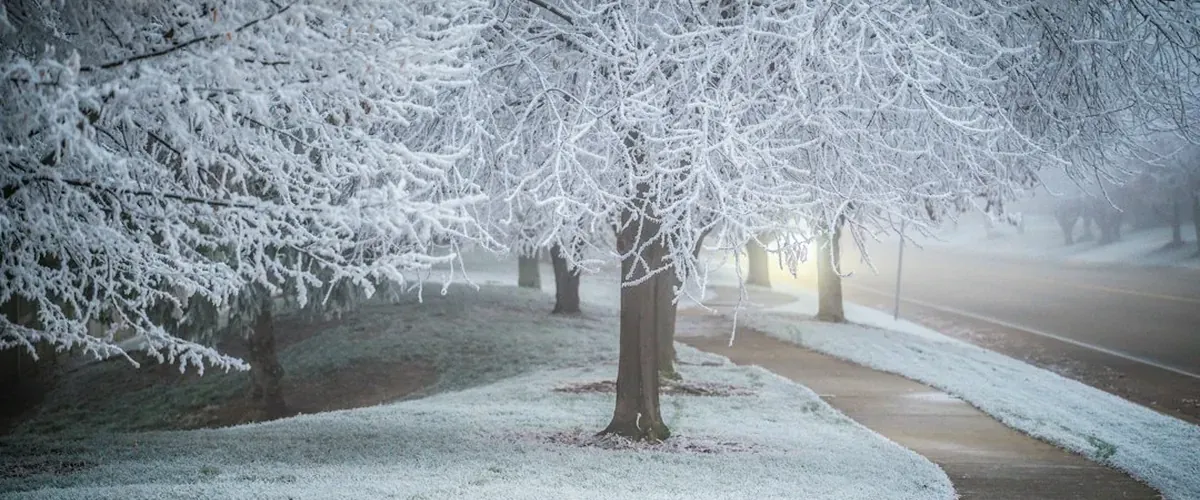
From November through March, ice is part of daily life in Sioux Falls. Freeze-thaw cycles turn yesterday's melt into this morning's sheet of ice, and parking lots, sidewalks, and building entrances become some of the most dangerous places in the city. Falls on ice cause broken wrists, hips, and ankles, back injuries, and head injuries, and older adults are especially at risk.
Not every fall on ice leads to a valid claim. But when a property owner or business ignores a known hazard, fails to follow its own snow removal plan, or creates a dangerous condition, the injured person may be entitled to compensation. This guide explains how responsibility works for snow and ice falls in Sioux Falls and South Dakota.
Can You Sue After Slipping on Ice?
Possibly. In South Dakota, property owners and businesses are generally expected to use reasonable care to keep their premises safe for visitors. For snow and ice, that usually means taking reasonable steps once a hazard exists, such as plowing, shoveling, applying sand or ice melt, and warning visitors about areas that cannot be cleared right away.
Owners are not required to keep every surface perfectly clear during an active storm. The key questions are usually about timing and reasonableness: how long the ice had been there, whether the owner knew or should have known about it, and what the owner did about it.
Sioux Falls' 48-Hour Sidewalk Rule
The City of Sioux Falls requires property owners, or those in possession of a property, to clear snow and ice from sidewalks within 48 hours after snow or ice accumulates. Owners who fail to do so can be cited and fined.
The city ordinance is a code-enforcement rule, and whether a violation affects an injury claim depends on the facts. But the 48-hour rule is still important evidence. A sidewalk that stayed icy for days after a storm says something about whether the owner acted reasonably.
Common Snow and Ice Fall Scenarios
Parking Lots
Store, apartment, and office parking lots are often plowed but never treated, leaving packed snow that turns to ice. Plow piles placed at the high point of a lot melt during the day and refreeze across walkways and drive lanes at night.
Building Entrances and Vestibules
Snow tracked inside creates wet, slick floors just inside the door. Businesses are expected to use mats, monitor entrances, and clean up water during winter weather.
Downspouts and Roof Runoff
Gutters and downspouts that drain across a sidewalk create a recurring ice patch in the same spot every freeze. Because the hazard repeats, the owner is often on notice of it.
Apartment Complexes and Rentals
Landlords are generally responsible for common areas such as shared sidewalks, steps, and parking areas. Tenants who reported icy conditions in writing may have strong evidence that the landlord knew about the problem.
Snow Removal Contractors
Many businesses hire contractors to plow and treat their property. When a contractor fails to show up, skips treatment, or piles snow in a way that creates a hazard, the contractor may share responsibility along with the owner.
Get Answers From an Experienced South Dakota Lawyer Today
Falls on City or Government Property
If you fell on a city sidewalk, at a public building, at a school, or on other property owned by a city, county, or the state, a special rule applies. South Dakota generally requires written notice of the injury to the public entity within 180 days under SDCL 3-21-2. That is much shorter than the general three-year deadline for personal injury lawsuits under SDCL 15-2-14(3), and missing it can bar the claim.
Ownership of a sidewalk is not always obvious. If there is any chance the property where you fell is publicly owned, speak with a lawyer quickly.
How South Dakota's Fault Rule Affects Ice Falls
Insurers in ice cases almost always argue that the injured person should have been more careful: that the ice was visible, that it was winter and everyone knows sidewalks get slippery, or that the person was wearing the wrong shoes. South Dakota's comparative fault rule, SDCL 20-9-2, allows recovery only if your negligence was slight compared to the property owner's, and reduces any award by your share of fault.
That makes the details matter. Lighting, the absence of warnings, whether a safe route existed, and whether the ice was covered by a dusting of snow can all show that the fall was not your fault. Our article on contributory negligence in Sioux Falls slip and fall cases explains the rule in more depth.
Evidence That Matters in Snow and Ice Cases
Ice melts and gets salted quickly, so evidence disappears fast. The most useful evidence often includes:
- Photographs and video of the exact spot, taken as soon as possible, including wide shots showing lighting and the surrounding area
- Weather records showing when snow fell, temperatures, and freeze-thaw cycles
- The owner's snow removal policies, logs, and contractor invoices
- Surveillance video from the property
- Prior complaints, repair requests, or earlier falls in the same area
- Witness names and statements
- Your shoes and clothing
- Medical records documenting the injury and when you sought treatment
What to Do After Falling on Ice
- Get medical care, even if the injury seems minor at first. Fractures and head injuries are not always obvious right away.
- Photograph the ice before it is treated or melts, and note the date and time.
- Report the fall to the property owner, manager, or landlord, and ask for a copy of the incident report.
- Collect contact information from witnesses.
- Keep your footwear and do not wash or discard clothing from the fall.
- Avoid giving a recorded statement to the owner's insurer before speaking with a lawyer.
Our guide on what to do after a slip and fall injury in South Dakota covers these steps in more detail.
What Compensation Is Available?
South Dakota does not cap compensatory damages in personal injury cases. A snow and ice fall claim may include medical expenses, future care, lost wages and earning capacity, pain and suffering, and permanent impairment. The value of any claim depends on the evidence of the owner's fault, the severity of the injury, and the available insurance coverage.
Talk to a Sioux Falls Slip and Fall Lawyer
Northern Plains Justice, LLP represents people injured in snow and ice falls across Sioux Falls and South Dakota. We move quickly to preserve photos, video, and maintenance records, identify every responsible party, including contractors and landlords, and pursue full compensation. Learn more about our Sioux Falls slip and fall practice, or read about sidewalk fall liability and slippery floor injuries.
There are no attorney's fees unless we recover compensation for you, and your first consultation is free.
Get Answers From an Experienced South Dakota Lawyer Today
Frequently Asked Questions
Can I sue a business if I slipped on ice in their parking lot?
Possibly. Businesses are expected to take reasonable steps to address snow and ice on their property. Whether the business acted reasonably depends on timing, weather, and its maintenance practices.
How long do property owners in Sioux Falls have to clear sidewalks?
The City of Sioux Falls requires sidewalks to be cleared of snow and ice within 48 hours after accumulation.
What if I slipped on ice on a city sidewalk?
Claims involving government property generally require written notice to the public entity within 180 days under SDCL 3-21-2. Contact a lawyer promptly.
Does it matter that it was still snowing when I fell?
It can. Owners are generally not expected to clear surfaces continuously during an active storm, but they are expected to act reasonably once conditions allow and to address hazards they created, such as refreezing runoff.
Can I bring a claim if I fell on ice at my apartment?
Landlords are generally responsible for common areas like shared walkways, steps, and parking lots. Written reports of icy conditions can be strong evidence.
How long do I have to file a claim for a fall on ice?
Most claims must be filed within three years under SDCL 15-2-14(3), with a 180-day notice requirement for claims involving public property.
This article is provided for informational purposes only and does not constitute legal advice. Reading this content does not create an attorney-client relationship with Northern Plains Justice, LLP. Every case is different, and you should consult a qualified attorney about the specific facts of your situation.