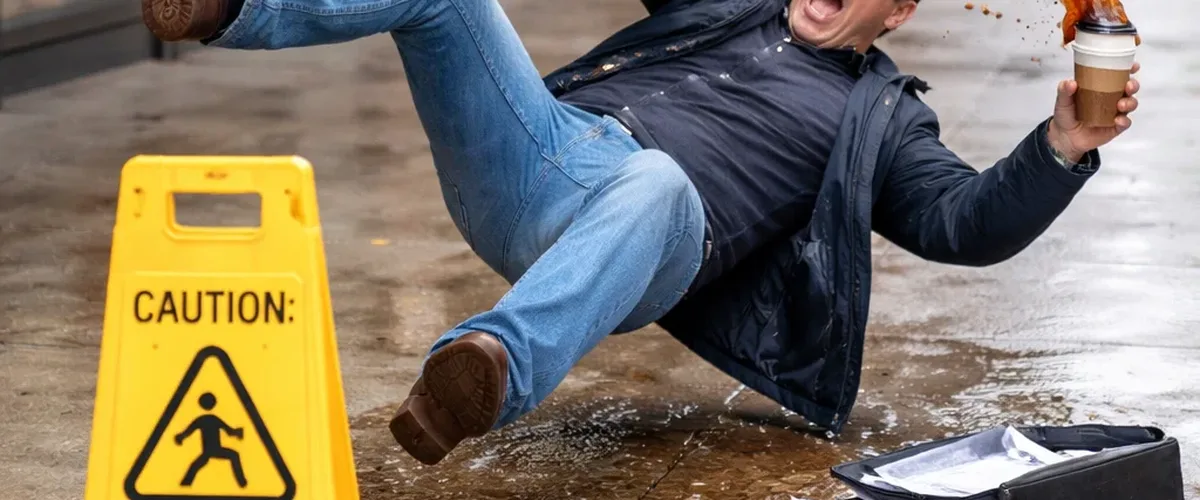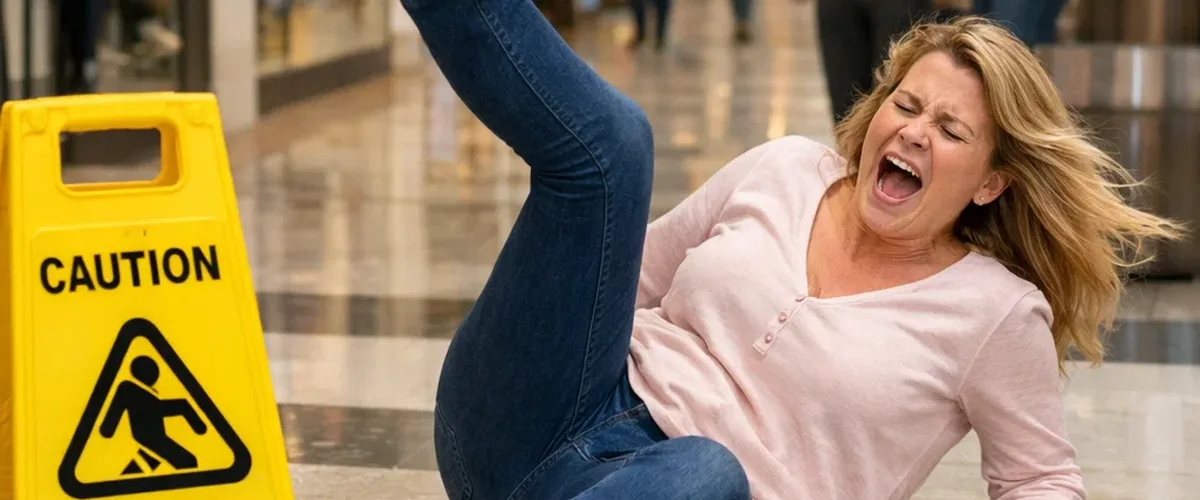
In a college town, many people rent, shop, eat out, and use shared spaces every day. That makes property maintenance important. When a landlord ignores a broken stair, a store leaves a spill on the floor, or a business lets ice build up on its sidewalk, the people who use those spaces can be seriously hurt. A fall can mean broken bones, surgery, and weeks or months away from work or classes.
Our firm takes on fall cases for tenants, shoppers, workers, and visitors across Brookings County. We investigate what caused the fall, preserve video and maintenance records, and pursue compensation from the property owner and its insurer.
Where Falls Happen in Brookings
- Student and apartment housing, where stairwells, railings, hallway lighting, and parking lots are often poorly maintained
- Grocery and retail stores along 6th Street and other commercial areas
- Restaurants and bars downtown, where wet floors and crowded walkways create hazards
- Hotels and event venues that fill up on game days, graduation weekends, and conferences
- Parking lots and sidewalks with potholes, raised concrete, and untreated ice
- Public property, including city sidewalks, parks, and government buildings
Ice, Snow, and Winter Falls
Brookings winters are long, and freeze-thaw cycles turn melted snow into ice overnight. Property owners are not required to keep surfaces perfectly clear during an active storm, but they are expected to act reasonably once a hazard exists. That can mean plowing and shoveling, applying sand or ice melt, fixing downspouts that drain across walkways, and warning visitors about areas that cannot be cleared.
Winter fall cases often turn on records. Weather data, snow removal contracts and invoices, maintenance logs, and photographs taken right after the fall help show whether the owner had time to address the hazard and failed to do so.
Landlord Responsibility for Tenant Falls
Landlords are generally responsible for maintaining common areas such as entryways, stairs, hallways, parking areas, and shared sidewalks, and for making repairs they are obligated to make. In rental-heavy neighborhoods near campus, tenants are often hurt by loose handrails, broken steps, dark stairwells, and icy entrances that were reported but never fixed. Keep copies of any repair requests, texts, or emails to the landlord or property manager. They can be important evidence that the landlord knew about the problem.
Visitors, Fans, and Event Crowds
Thousands of visitors come to Brookings for SDSU athletics, campus events, conferences, and family weekends. Hotels, restaurants, and venues that fill up for these events have a responsibility to plan for crowds, keep walkways clear and lit, and deal with spills and weather promptly. A hazard that might be minor on a quiet day can be dangerous when a building is packed. Out-of-town visitors injured in Brookings can bring claims in South Dakota and work with us without having to return repeatedly for meetings.
What You Must Prove
- The owner or occupier owed you a duty of care
- A dangerous condition existed
- The owner created the condition, knew about it, or should have found it through reasonable inspection
- The owner failed to repair it or give an adequate warning
- The condition caused your fall and injuries
The duty owed depends partly on why you were there. Customers and business visitors are generally owed reasonable care, including inspection for hazards, while social guests are generally owed warnings about known dangers. Our overview of slip and fall accidents on unsafe premises explains these rules.
Get Answers From an Experienced South Dakota Lawyer Today
Comparative Fault Arguments
Property owners commonly argue that the injured person should have seen the hazard, was wearing the wrong shoes, or was distracted. South Dakota's rule, found in SDCL 20-9-2, lets an injured person recover only when their own carelessness was slight next to the owner's, and it trims the award by the injured person's percentage. Evidence about lighting, the lack of warning signs, and how hard the hazard was to see can make the difference. Learn more about contributory negligence in slip and fall cases.
Falls on Public Property
Different rules apply when the property belongs to a city, county, school district, or state agency. SDCL 3-21-2 generally calls for written notice to the public entity within 180 days of the injury, and a late notice can sink an otherwise valid claim long before the usual three-year lawsuit deadline. If you were hurt on a public sidewalk or in a government building in Brookings, speak with a lawyer quickly. See our resource on liability for cracked sidewalk falls.
Workplace Falls
If you fell while working, workers' compensation is usually your main remedy against your employer. When an outside company, such as a building owner or a contractor, caused the dangerous condition, a separate claim against that company may be available on top of workers' compensation.
Injuries and Compensation
Falls cause fractured wrists, hips, and ankles, knee and shoulder injuries, back injuries, and head injuries including concussions and traumatic brain injuries. Older adults are especially vulnerable, and a single fall can lead to surgery and a long rehabilitation.
No cap limits compensatory damages in South Dakota injury cases. A fall claim can include:
- Medical expenses, now and in the future
- Lost wages and reduced earning capacity
- Pain, suffering, and loss of enjoyment of life
- Permanent impairment
- Costs of home help and mobility equipment
After a Fall
- Get medical care, even if you think the injury is minor.
- Report the fall to the manager or landlord and ask for a copy of any incident report.
- Photograph the hazard and the area before it is cleaned or repaired.
- Keep the shoes and clothing you were wearing.
- Collect witness contact information.
- Talk to a lawyer before giving a recorded statement to an insurer.
Store and building video is often erased within days, so acting quickly matters. Read our guide on what to do after a slip and fall and our overview of key challenges in slip and fall claims.
Get Answers From an Experienced South Dakota Lawyer Today
Working With Northern Plains Justice, LLP
Insurers defend slip and fall claims aggressively. We respond by gathering evidence fast, documenting the hazard and your injuries thoroughly, and preparing your case for trial in Brookings County if a fair settlement is not offered.
There are no attorney's fees unless we recover compensation for you, and the first consultation is free. Learn more about our Sioux Falls slip and fall practice and our Brookings personal injury services.
Frequently Asked Questions
Common questions we hear from people in Brookings and the surrounding county.
How long do I have to bring a slip and fall claim in South Dakota?
The usual deadline to sue is three years (SDCL 15-2-14(3)), but a fall on city, county, school, or state property generally requires written notice within 180 days.
I'm a tenant. Is my landlord responsible for my fall?
Often, if the fall happened in a common area or was caused by a condition the landlord was responsible for repairing. Written repair requests can be strong evidence.
Can I recover if I slipped on ice?
Possibly. Owners must take reasonable steps once a snow or ice hazard exists. Whether they did depends on timing, weather conditions, and their maintenance practices.
What if the owner says I should have been more careful?
That argument does not end the claim. If your carelessness was only slight compared to the owner's, South Dakota law still allows recovery, reduced by your percentage of fault.
How much does a Brookings slip and fall lawyer cost?
There is no charge for the first meeting and no upfront retainer. We are paid only if we recover money for you, as a percentage of that recovery.
This article is provided for informational purposes only and does not constitute legal advice. Reading this content does not create an attorney-client relationship with Northern Plains Justice, LLP. Every case is different, and you should consult a qualified attorney about the specific facts of your situation.