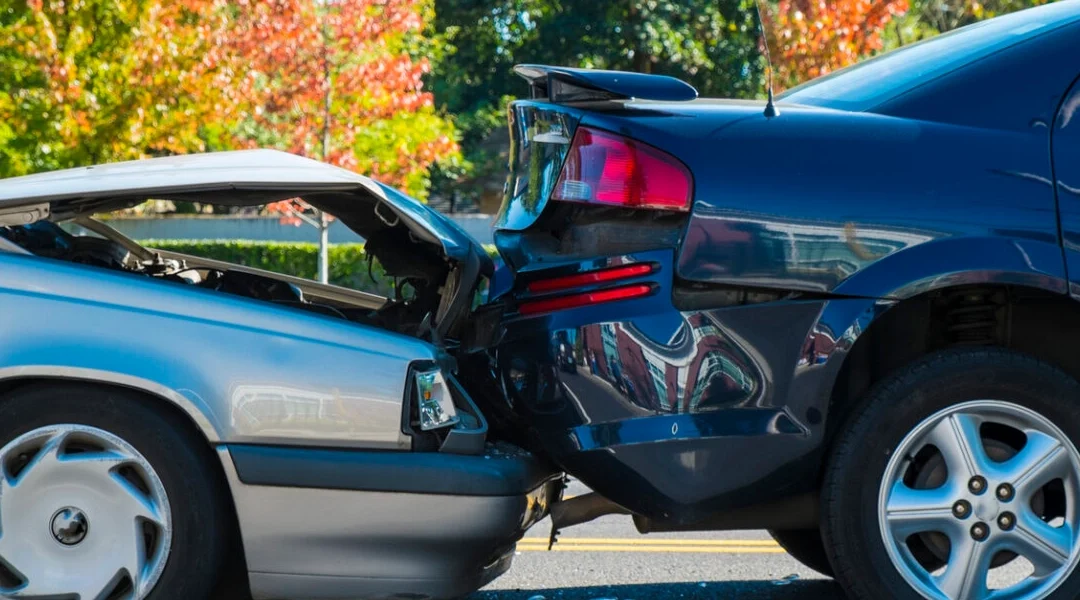
If you were injured in a car accident in South Dakota, determining fault is one of the most important parts of your case. Northern Plains Justice helps injured people in Sioux Falls understand liability, protect their rights, and pursue compensation after a crash. Call (605) 306-4100 for a free consultation.
How Fault Is Determined After a Car Accident in South Dakota
Fault in a South Dakota car accident is based on negligence. In simple terms, the question is which driver failed to use reasonable care and caused the crash. Insurance companies, attorneys, and investigators look at the facts of the accident to decide liability.
Evidence Used to Determine Fault
Several types of evidence can be used to show who caused a crash, including:
- Police accident reports
- Witness statements
- Photographs from the scene
- Vehicle damage patterns
- Traffic camera or dashcam footage
- Citations for traffic violations
The more evidence you have, the easier it is to prove what happened and push back when an insurance company tries to shift blame.
For example, intersection crashes often require a close look at the evidence. You can learn more here:
South Dakota Uses a Contributory Negligence Rule
Unlike virtually every other state in the nation, South Dakota has not changed to a comparative negligence standard. Instead, it retains the traditional model, called contributory negligence. That legal doctrine allows a defendant to avoid responsibility for their negligence if they prove that the plaintiff’s negligence was “more than slight” when compared to the negligence of all other parties involved in the incident. South Dakota law does not define the term “slight” and leaves it up to the jury to determine the amount of each party’s negligence in comparison to the others. If a plaintiff’s negligence is “more than slight” they lose their claim. If a plaintiff’s negligence is “slight” or “less than slight” a jury can still give a verdict in the plaintiff’s favor, but may reduce that verdict by some amount to account for the plaintiff’s negligence.
|
If the Plaintiff’s negligence compared to that of Defendant(s) is: |
Then a Jury Verdict results in: |
|
0% |
Full Plaintiff’s verdict |
|
“Less than slight” or “Slight” |
Plaintiff’s verdict reduced by some amount for the plaintiff’s negligence |
|
“More than slight” |
Defense verdict |
Common Situations That Lead to Fault Disputes
Not every car accident is straightforward. Some crashes create immediate arguments over who had the right of way, who was speeding, or whether a driver reacted reasonably.
Frequent Causes of Fault Disputes
Common issues in South Dakota car accident claims include:
- Rear-end collisions
- Failure to yield
- Running a stop sign or red light
- Distracted driving
- Speeding
- Unsafe lane changes
- Driving under the influence
Rear-end crashes are common, but even those cases can involve disputed facts. Read more here:
Head-on crashes can also raise major liability questions, especially on rural roads and two-lane highways. Read more here:
What Evidence Can Help Prove the Other Driver Was at Fault
If you want to build a strong claim, evidence matters. The sooner evidence is preserved, the better your chances of proving fault.
Important Evidence in a Car Accident Claim
Strong claims often include:
- Emergency response records
- Medical records tied to the crash
- Photos of vehicle damage and skid marks
- Witness contact information
- Phone records in distracted driving cases
- Expert accident reconstruction when needed
Evidence can disappear quickly after a crash. Vehicles get repaired, marks fade, and witnesses become harder to reach. Taking action early can make a real difference.
Why Fault Matters in Your Car Accident Case
Fault affects far more than just who gets blamed. It can change whether you recover compensation at all and how much your case may be worth.
Compensation That May Be Affected by Fault
Depending on the facts of your case, compensation may include:
- Medical expenses
- Lost wages
- Future treatment costs
- Pain and suffering
- Loss of earning capacity
If another driver caused your crash, you may have the right to pursue damages. Learn more about your legal rights here:
Insurance Companies Often Try to Shift Blame
Insurance adjusters know that even a small increase in your share of fault can reduce what they have to pay. That is why they may question your statements, minimize your injuries, or argue that you caused part of the crash.
Why Legal Help Matters
A lawyer can help by:
- Investigating the accident
- Preserving key evidence
- Reviewing the police report
- Challenging unfair blame arguments
- Negotiating with the insurance company
If you are dealing with a serious crash in Sioux Falls, start here:
Talk to a Sioux Falls Car Accident Lawyer About Fault and Liability
If fault is being disputed after your accident, do not assume the insurance company has it right. Northern Plains Justice helps injured clients in Sioux Falls and across South Dakota understand how liability works and what steps to take next. If you have questions about who is at fault in a car accident in South Dakota, call (605) 306-4100 for a free consultation.
Frequently Asked Questions About Fault in a Car Accident in South Dakota
Can I still recover compensation if I was partly at fault?
South Dakota law does not define the term “slight” and leaves it up to the jury to determine the amount of each party’s negligence in comparison to the others. If a plaintiff’s negligence is “more than slight” they lose their claim. If a plaintiff’s negligence is “slight” or “less than slight” a jury can still give a verdict in the plaintiff’s favor, but may reduce that verdict by some amount to account for the plaintiff’s negligence.
Who is usually at fault in a rear-end accident?
In many cases, the trailing driver is at fault, but exceptions exist depending on the circumstances.
How is fault proven after a car accident?
Fault is determined using evidence such as police reports, witness statements, photos, and expert analysis.
Do I need a lawyer to prove fault?
While not required, having a lawyer can significantly improve your ability to prove fault and protect your claim.